
Building Drying in Munich – From Leak Detection to Full Restoration
Minimize damage and dry your property quickly with professional building drying services when you need them most. Whether you are dealing with a burst pipe or major flooding, we help you take action before the damage spreads any further.
- Leak Detection and Moisture Measurement
- Water extraction and basement pumping
- Screed, insulation layer, cavity and containment drying
- Professional restoration after drying
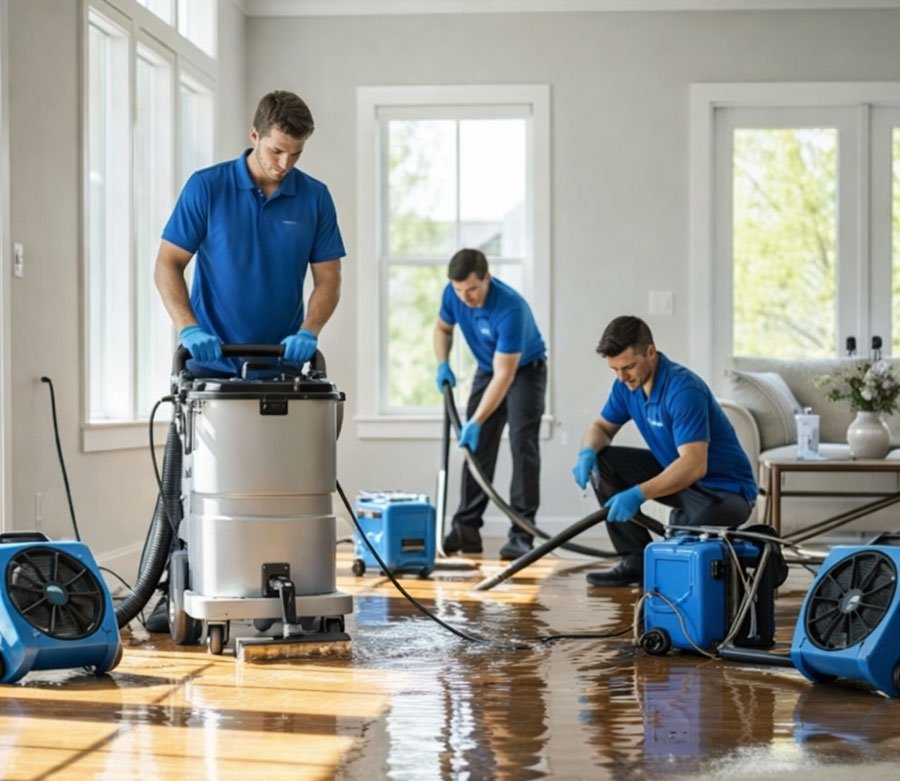
Our Services for Water Damage and Building Moisture in Munich and the Surrounding Area
Leak Detection and Moisture Assessment
A damp wall does not automatically reveal where the water is coming from. We locate leaks and identify moisture patterns using appropriate measurement and inspection technology. Ths aillows us to determine precisely which building components need to be opened, dried or repaired.
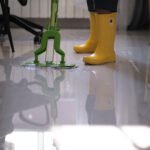
Water Extraction and Pumping
If standing water is present in a basement, apartment, shaft or technical room, we remove it using professional pumping and extraction equipment. We then prepare the affected areas for cleaning, moisture measurement and technical drying.
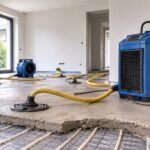
Screed and Insulation Layer Drying
If water penetrates beneath the screed, moisture can spread through the insulation layer far beyond the visibly affected area. We dry the floor construction using a suitable positive-pressure or negative-pressure drying method and monitor the drying progress with regular moisture measurements.
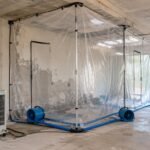
Cavity and Containment Drying
Moisture inside drywall constructions, suspended ceilings, installation shafts or limited building areas requires controlled airflow. With cavity drying or containment drying, we direct dry air exactly where it is needed.
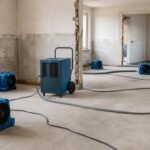
Building Drying and New-Build Drying
After screed, plaster, concrete or renovation work, significant construction moisture often remains inside the building. We plan technical building drying according to the size of the property, materials, room temperature and construction schedule — for new buildings, renovations and existing properties.
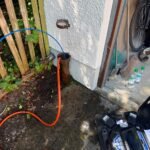
Drain and Pipe Cleaning
Blocked pipes can lead to backups, overflows and further water damage. We clean pipes and drains and, where necessary, combine the service directly with water extraction, moisture measurement and subsequent drying.
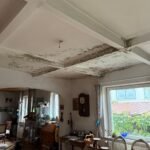
Water Damage Restoration and Reinstatement
Water damage is not fully resolved once the drying equipment has been removed. The affected rooms must also be restored to a usable condition. Depending on the extent of the damage, we carry out controlled removal work, close necessary drying openings and restore affected wall, ceiling and floor surfaces. You have one point of contact from the initial damage assessment through to final completion.
Which Drying Method Is the Right One?
There is no single drying method suitable for every water damage situation. The correct solution depends on factors such as the building construction, materials, temperature, extent of moisture and accessibility. After carrying out the necessary measurements, we determine which drying method — or combination of methods — is most appropriate.
Condensation Drying
During condensation drying, moist room air is drawn into the drying unit, cooled and the resulting condensation water is collected. This method is particularly suitable for heated indoor spaces as well as for room and surface drying.
Adsorption Drying
Adsorption dryers remove moisture from the air using a desiccant material. This method can be especially useful at lower temperatures or in situations where particularly dry process air is required.
Insulation Layer Drying Using Positive or Negative Pressure
When floor constructions are affected by moisture, dry air is directed specifically through the insulation layer. Whether a positive-pressure or negative-pressure method is used depends on the structure of the floor and the individual damage situation.
Cavity and Containment Drying
For limited areas or difficult-to-access cavities, dry air is directed specifically into the affected area. A containment system can isolate the drying zone and concentrate the drying process on the damaged building component.
Moisture Monitoring
We do not stop the drying process based on guesswork or simply because a predetermined number of days has passed. Regular moisture measurements show how the moisture levels are developing and when the agreed drying target has been reached.
About Us
Engineering Expertise Meets Skilled Craftsmanship
Ingenieur- und Messtechnik Fekih is not a referral platform. We are your direct specialist contractor for leak detection, technical building drying and water damage restoration in Munich.
Our team combines engineers, measurement specialists and skilled tradespeople. This allows us to combine technically sound damage assessment with practical implementation on site.
From the initial moisture measurements and installation of the drying system through to the final restoration work, the entire process remains coordinated by one team.
What this means for you:
- Direct communication instead of anonymous referrals
- Measurement and assessment before selecting the drying method
- A coordinated process without unnecessary interfaces
- Transparent and traceable drying and restoration procedures
- Professional restoration work after the drying process is complete
We support homeowners, landlords, property management companies, construction companies and commercial businesses throughout Munich and, by arrangement, the surrounding area.
Through our network of experienced drying specialists in the Munich area, you receive prompt, expert assistance without having to spend time searching yourself.
How It Works
Report the Damage and Describe the Situation
Tell us by phone where water is leaking or where visible moisture has appeared.
Leak Detection and Moisture Measurement
We identify the likely source of the damage and determine which building components have been affected by moisture.
Drying Concept and Equipment Installation
Based on the measurement results and the construction of the affected building components, we select the appropriate drying method. We then install the required drying equipment.

Equipment Removal and Restoration
Once the drying target has been reached, the drying equipment is removed. We then restore the affected wall, ceiling and floor surfaces.
Typical Water Damage Situations We Handle
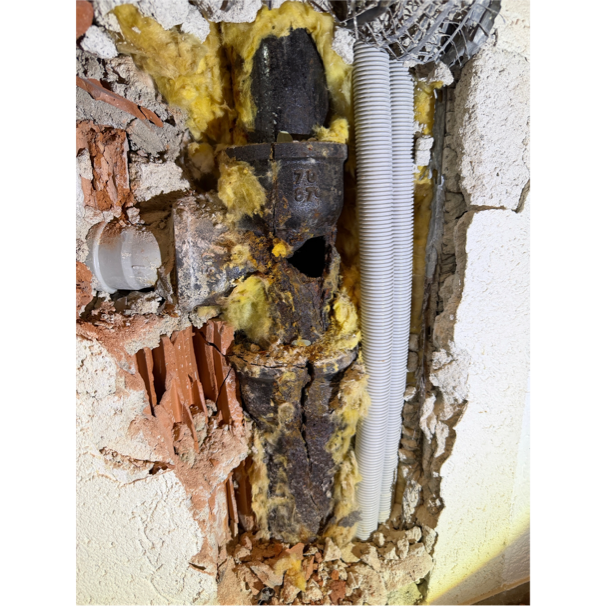
Burst Pipes and Pipe Leaks
Leaks in drinking water pipes, heating pipes or wastewater pipes can affect walls, floors and adjacent rooms. We locate the damaged area, determine the extent of the moisture and plan the required drying measures.
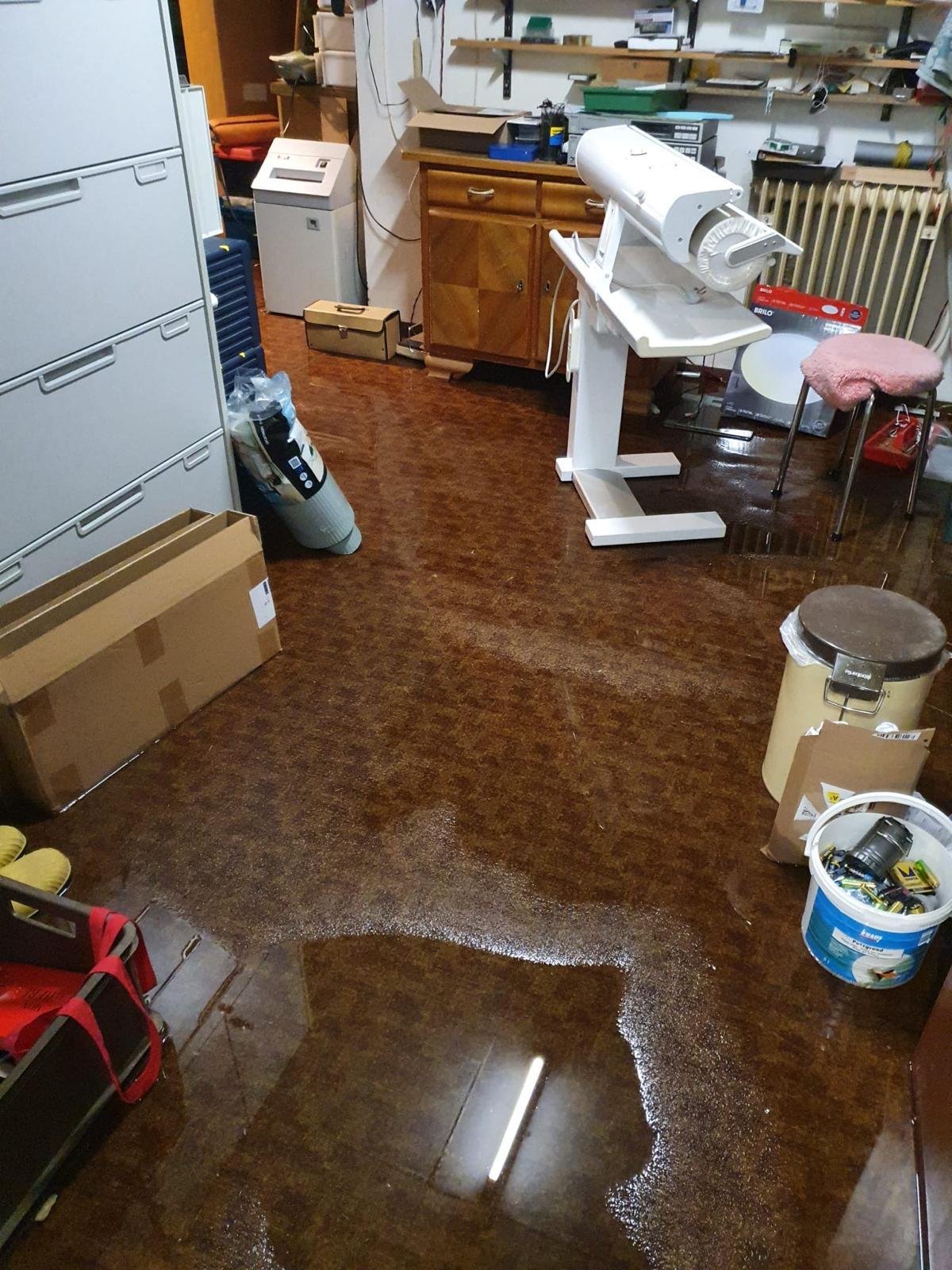
Basement Flooding and Heavy Rain
Following heavy rainfall or water entering from outside, we remove standing water and determine which walls, floors and installed elements have been affected.
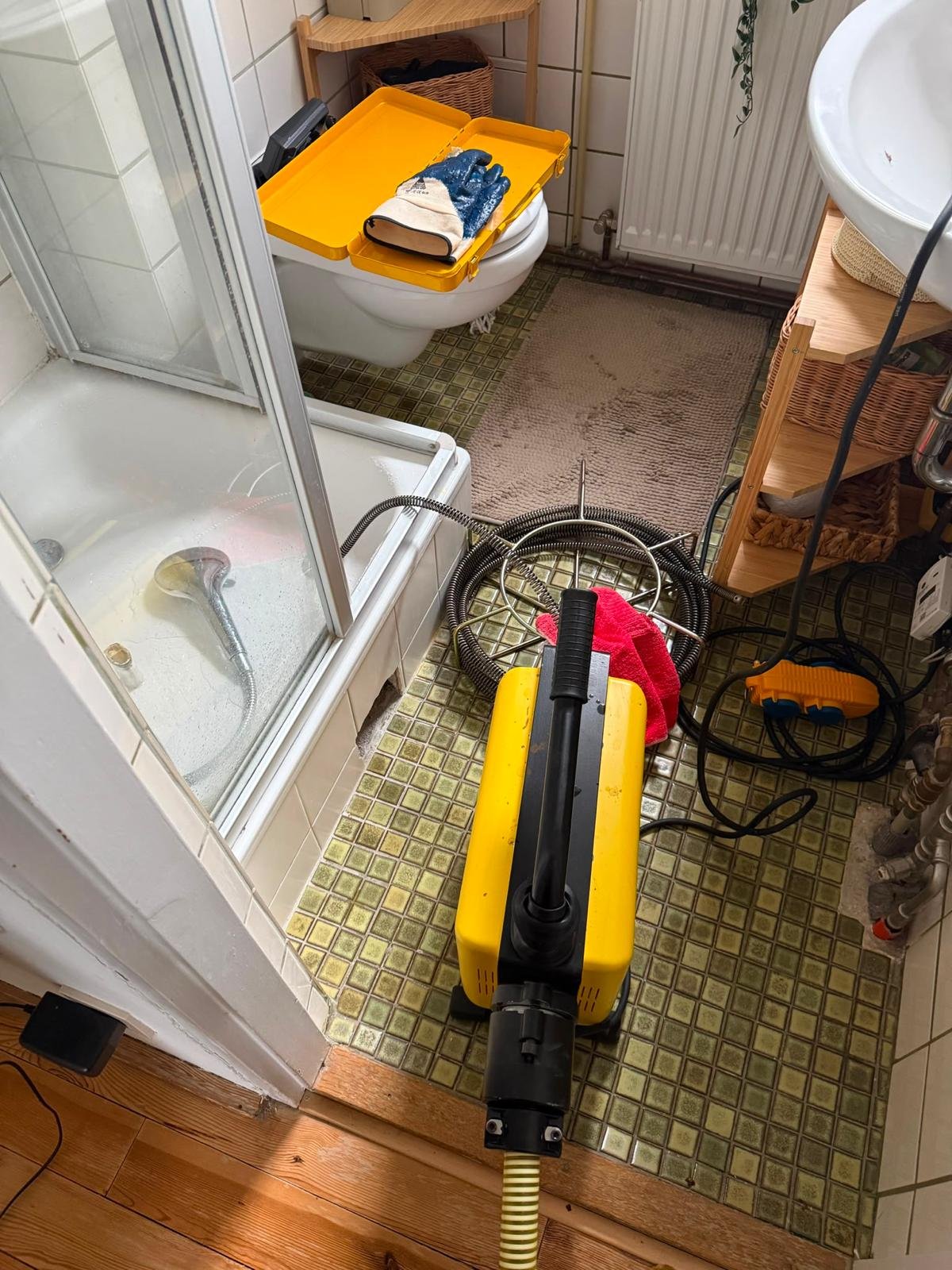
Backups and Blocked Drains
If a blockage or sewer backup causes water to escape, we combine drain cleaning, water removal, cleaning and technical drying according to the individual damage situation.
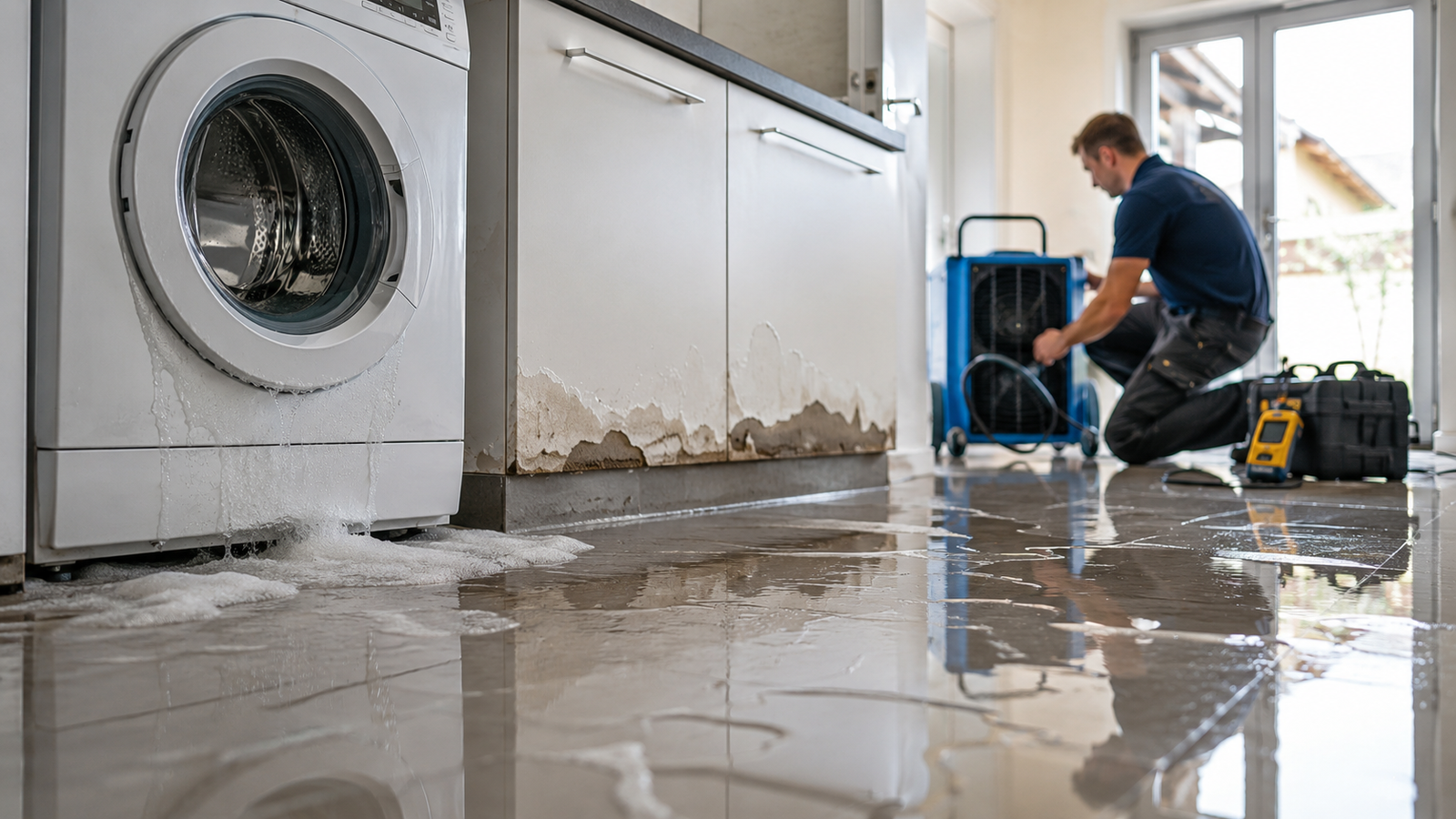
Leaking Washing Machines or Dishwashers
Defective connections, hoses or household appliances can cause hidden moisture underneath floor coverings and screed. Moisture measurements show whether only the surface has been affected or whether the floor construction underneath is also wet.
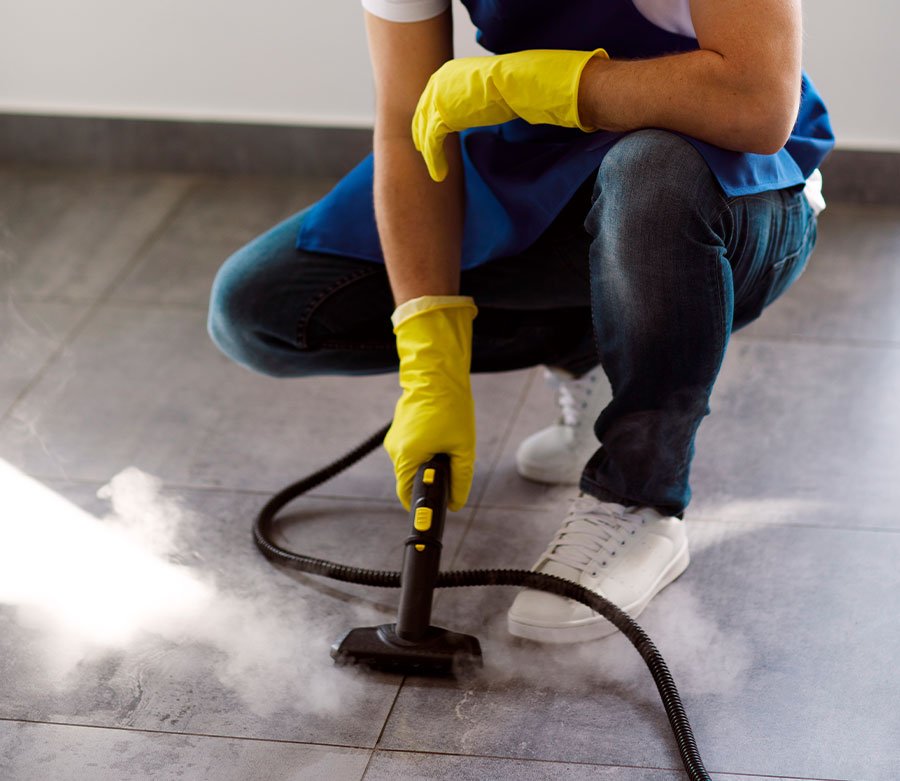
Moisture Beneath Screed and Floor Coverings
Even if the surface already appears dry, water may still remain within insulation layers or underneath floor coverings. In these cases, targeted screed or insulation layer drying may be necessary.
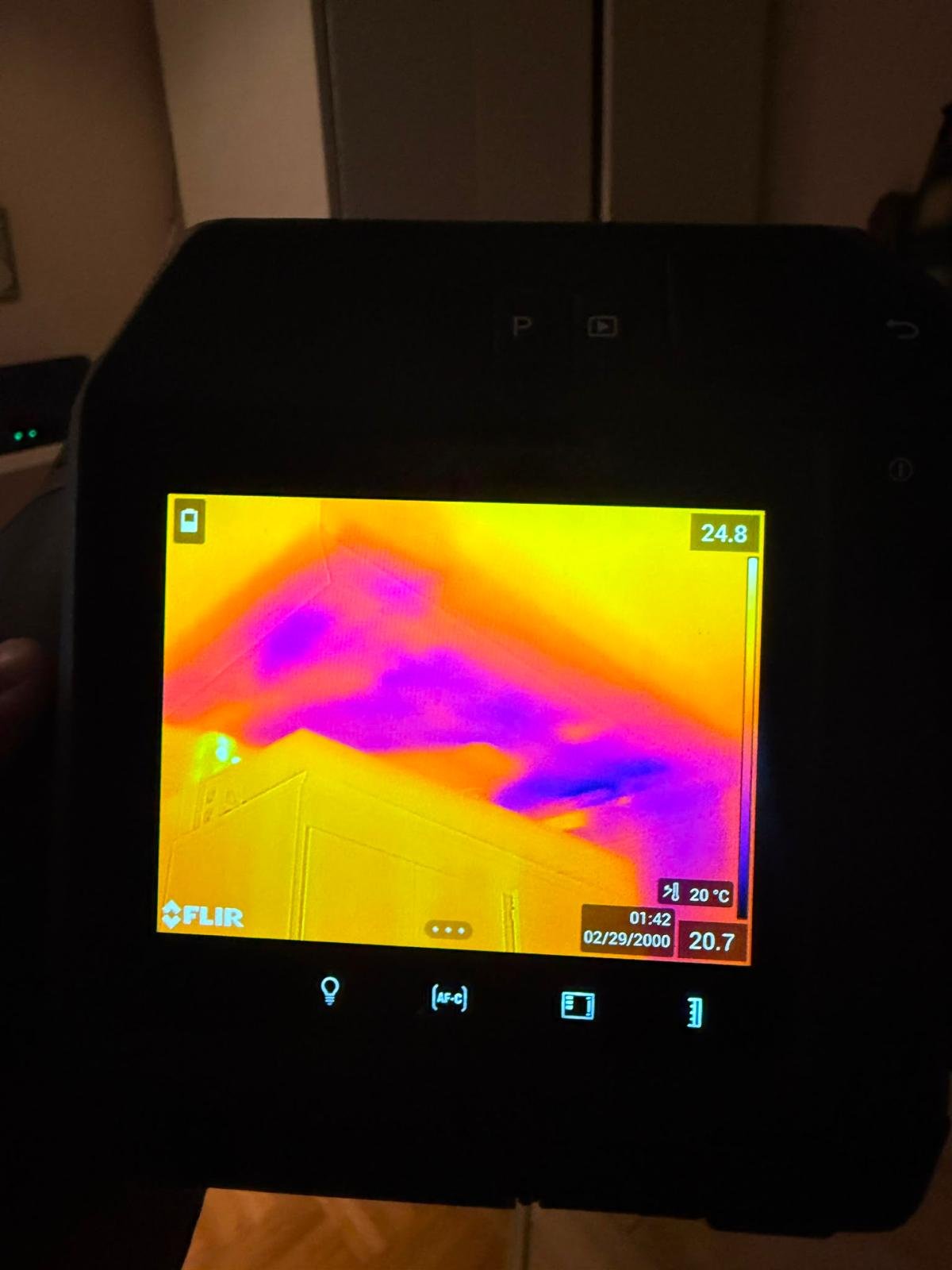
Hidden Moisture in Walls and Ceilings
Leaks behind wall coverings, within drywall constructions, shafts or suspended ceilings can remain unnoticed for a long time. We identify the affected area and select the most targeted drying solution possible.
Customer Reviews
"The entire process was straightforward and fast, especially during a very stressful situation. I received help quickly, and everything was handled clearly and professionally."
Michael R.
"I was impressed by how quickly everything was handled. From the first phone call to receiving help on site, the entire process was smooth and reassuring."
Sabine K.
"Very reliable service. The specialist arrived quickly and carried out the drying work professionally."
Thomas B.
Frequently Asked Questions
What Should I Do First in the Event of Acute Water Damage?
First, make sure that you and anyone else in the property are not in danger. Only shut off the water supply and electricity in the affected area if it is safe to do so. Document visible damage with photos and report the damage as quickly as possible. If the water may be contaminated, avoid entering the affected area unnecessarily.
Are You Available Around the Clock?
Yes. Our emergency service is available around the clock for urgent water damage situations. After you report the damage, we provide you with a realistic timeframe and discuss any necessary immediate measures.
Do You Also Provide Leak Detection?
Yes. We identify hidden leaks and moisture patterns using suitable measurement and inspection technology. Leak detection is often the basis for targeted opening, repair and subsequent drying of the affected building components.
Which Drying Methods Do You Offer?
Depending on the affected building component and the damage situation, we use methods including: Condensation drying Adsorption drying Screed drying Insulation layer drying Positive-pressure and negative-pressure drying Cavity drying Containment drying
How Long Does Building Drying Take?
A reliable timeframe can only be estimated after moisture measurements have been taken and the affected building construction has been assessed. The drying time depends on factors including the materials involved, the extent of the moisture, temperature, accessibility and the drying method used. The drying process is completed based on measurement results rather than simply after a predetermined number of days.
Does the Screed or Floor Always Need to Be Opened?
No. Whether openings are required and how extensive they need to be depends on the floor construction and the distribution of moisture. For insulation layer drying, small and precisely positioned openings may be necessary. The procedure is explained and agreed with you before the work begins.
Can the Property Still Be Used During the Drying Process?
That depends on the extent of the damage, the rooms affected, possible contamination and the drying technology being used. In the case of smaller water damage, partial use of the property is often still possible. Larger damage or contaminated water may require temporary restrictions.
Do You Also Carry Out Restoration Work?
Yes. After the drying process has been completed, we can carry out controlled removal work and restore damaged wall, ceiling and floor surfaces. This means that the entire process — from the initial damage assessment through to final restoration — can remain with one point of contact.
Do You Also Offer Drain and Pipe Cleaning?
Yes. We clean blocked pipes and drains. If a blockage has already caused a backup or water damage, drain cleaning, water extraction and technical drying can be coordinated as part of one process.
How Much Does Building Drying Cost?
The cost depends on the extent of the damage, the construction of the affected building components, the number and type of drying units required, the drying duration and any necessary restoration work. After inspecting and assessing the damage, we provide you with a clear and transparent scope of work. The initial enquiry is non-binding.
Which Areas Do You Serve?
We operate throughout the entire Munich city area and, by arrangement, also serve the surrounding Munich region.
Acute Water Damage in Munich?
Speak directly with a specialist contractor for leak detection, building drying and water damage restoration. We assess the situation, discuss appropriate immediate measures and plan the next steps with you.